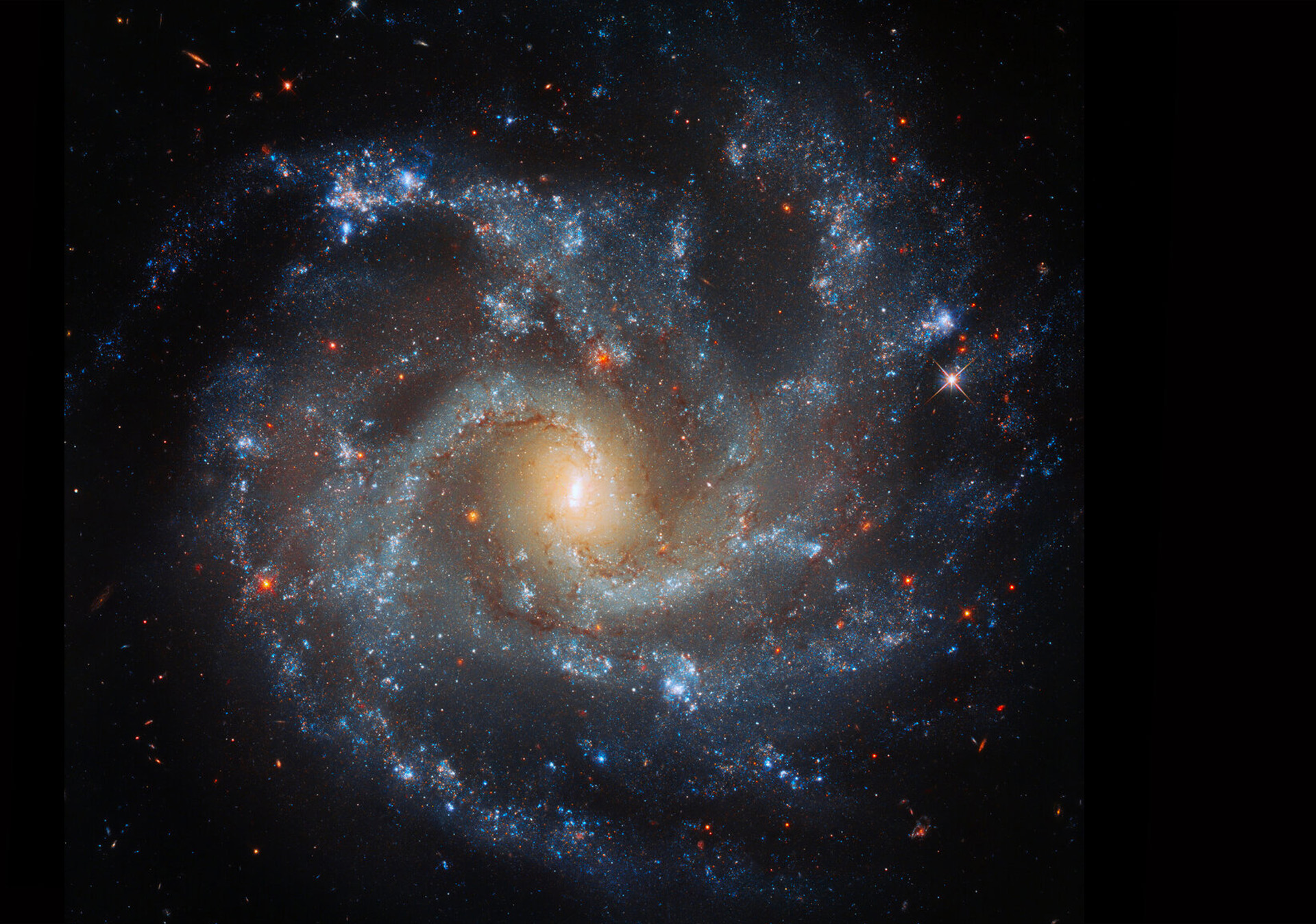
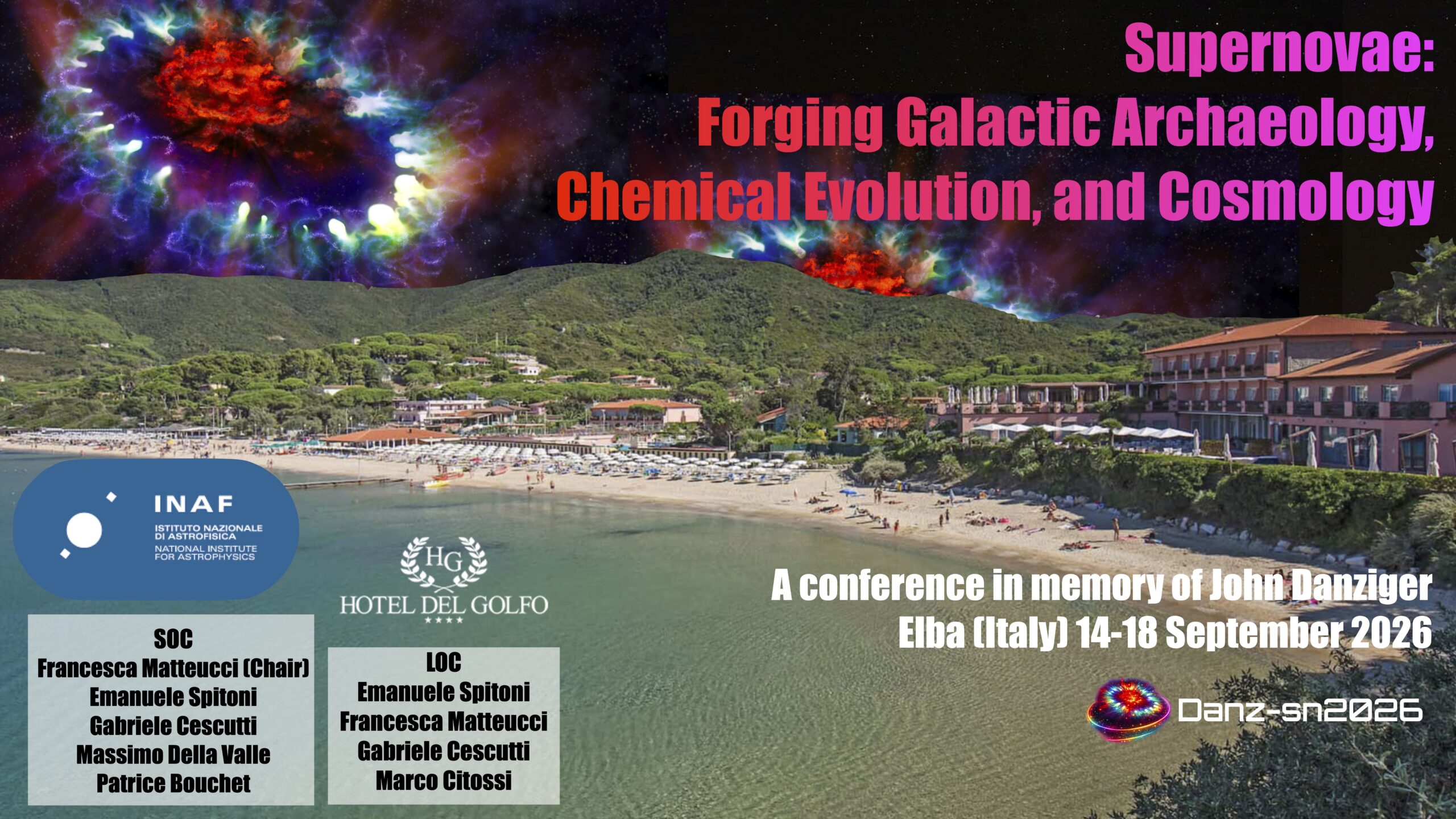
A conference in memory of John Danziger
Supernovae: Forging Galactic Archaeology, Chemical Evolution, and Cosmology
14-18 September 2026

In July 2025, John Danziger passed away. He was an internationally renowned astronomer and a leading figure in the Italian and European astrophysical communities.
His scientific legacy has profoundly shaped modern observational astrophysics and continues to influence several key areas of research. John was among the world’s leading experts in emission-line spectroscopy of supernovae, with particular emphasis on SN 1987A, as well as in the study of supernova remnants, dust formation in supernovae, and chemical abundances in planetary nebulae. A passionate observer and a deep connoisseur of astronomical instrumentation, he devoted his entire career to the advancement of observational astronomy, always guided by a broad, forward-looking scientific vision. John was at La Silla Observatory in 1987 when Supernova 1987A exploded - an event that shaped an entire generation of astronomers around the world and marked a turning point in our understanding of stellar evolution and nucleosynthesis. He was among the first to study this extraordinary event in detail, providing fundamental contributions to its physical interpretation and long-term monitoring. His work on SN 1987A established benchmarks that still guide supernova research today.
This conference is dedicated to honoring John Danziger’s scientific legacy by focusing on supernovae and their fundamental role in Galactic Archaeology and Cosmology. Supernovae are key drivers of chemical enrichment, dust production, and energy feedback in galaxies, and they serve as essential probes of stellar evolution, galaxy formation, and the expansion history of the Universe. Through their remnants, emission-line spectra, and nucleosynthetic yields, supernovae connect stellar physics with the large-scale evolution of cosmic structures. The meeting will bring together experts working on supernovae, supernova remnants, interstellar dust, planetary nebulae, and galactic chemical evolution, highlighting how these fields jointly contribute to our understanding of the Milky Way and distant galaxies. In doing so, we aim not only to celebrate John’s many scientific achievements, but also to continue the scientific dialogue that he so strongly inspired.
About
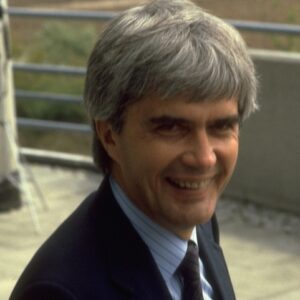
Born on August 16, 1936, in Maryborough, a remote village in Queensland, Australia, John was one of the world’s leading experts in the study of supernovae, chemical abundances in planetary nebulae, and, more broadly, transient phenomena. A passionate observer and a profound connoisseur of astronomical instrumentation, he dedicated his entire career to the advancement of observational research, guided by a broad and forward-looking vision.
After earning his PhD from the Australian National University in 1964, he continued his training with a postdoctoral fellowship at Caltech in Pasadena, California (1964–1966). He subsequently held academic positions as a Lecturer and Professor at Harvard University, where he served from 1966 to 1973. In 1973, he joined the scientific staff of ESO (European Southern Observatory). At ESO, he also served as Head of the Scientific Division until 1996, contributing substantially to the design and utilization of large-scale telescopes. During those years, he played a crucial role in the development and operation of major European observational facilities. He was also an Honorary Professor at the Ludwig Maximilian University of Munich.
It was during his long tenure at ESO that he found himself at La Silla in 1987 when Supernova 1987A exploded—an event that marked a turning point in our understanding of stellar evolution. John was among the first to study it in detail, providing a fundamental contribution to its interpretation. At ESO, he was accompanied by his wife, our highly esteemed colleague and astrophysicist Prof. Francesca Matteucci, with whom he shared not only a passion for astrophysics but also a love for the sea and a life rich in scientific dialogue.
His move to Italy marked a milestone for national astrophysics. As Director of the Trieste Astronomical Observatory (OATs), John brought an international perspective and played a crucial role in the growth of the Italian community focused on supernovae and transients, fostering its integration into the European context. Among his most brilliant students during his time in the United States was Sandra Faber. In Europe, his mentorship benefited Patrice Bouchet, Nando Patat, Marcella Carollo and, in Trieste, Abouazza Elmhamdi and Srjan Samurović.
Scientific program
-
Supernovae and supernova remnants: their physical properties, chemical abundances and dust
-
Stellar evolution and nucleosynthesis: metal and dust production in stars and supernovae
-
Planetary nebulae and emission-line spectroscopy as tools to study chemical abundances
-
Galactic chemical evolution: linking stellar yields, supernova feedback, and observed abundance patterns in the Milky Way and nearby galaxies
-
Metal and dust evolution in galaxies across cosmic time
-
Current and future surveys and instrumentation for Galactic Archaeology and near-field cosmology
Gallery
Days left for the conference
00
days
Meet scientists
Local Organizing Committee
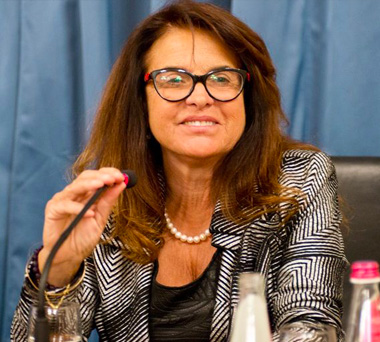
Francesca Matteucci
UniTS-INAF-OATs
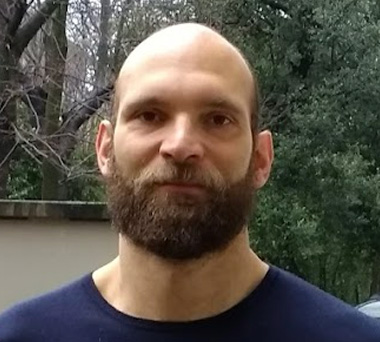
Emanuele Spitoni
INAF-OATs
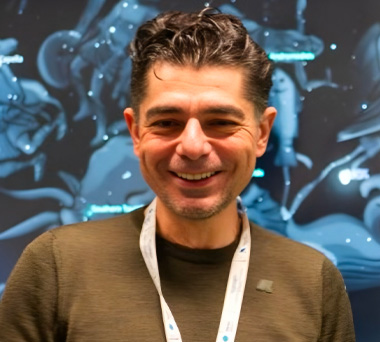
Marco Citossi
INAF-OATs
Scientific Organizing Committee
Francesca Matteucci
UniTS-INAF-OATs
Emanuele Spitoni
INAF-OATs
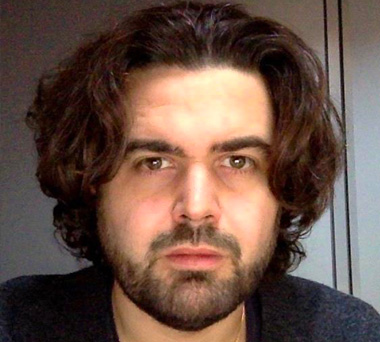
Gabriele Cescutti
UniTS-INAF-OATs
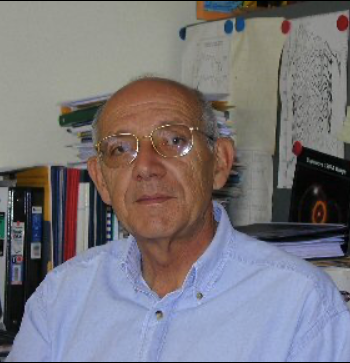
Patrice Bouchet
CEA-Saclay, France
Massimo Della Valle
INAF-OA Padova
Secretary
A.S.T.E. Congress S.r.l.
Via Mura dei Francesi 195
00043 Ciampino (RM)- Italy
The late registration fee is €350 euro (+ €100 for participants using the shuttle bus) thereafter.
Payment can be made online by debit/credit card or bank transfer (see the options below). Please note that registration fees cannot be paid at the meeting venue and must be completed online in advance.
Il pagamento verrà elaborato da ASTE Congress — info@astecongress.com
IBAN: IT 06 S 03069 05245 100000007052 BIC/SWIFT: BCITITMM
Beneficiary details:
Name bank: Intesa San Paolo S.p.a.
Address: Via Benedetto Croce, 10, 00142 Roma RM
Full Name of the Account Holder: ASSISTANCE.SOLUTIONS.TECHNOLOGY.EVENTS.CONGRESS COMMUNICATIONS &
Acronym: A.S.T.E.Congress® Srl
Registration
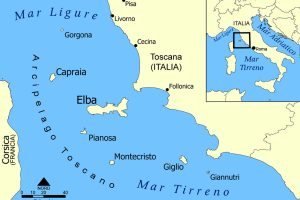
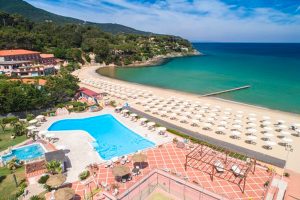
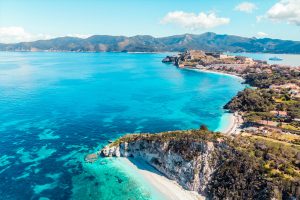
The Conference will be held in Hotel del Golfo at Isola d'Elba, amodern, multifunctional conference center with top-notch equipment, ample room for networking and meeting colleagues, and last but not least a marvellous private beach.
We would like to point out that the rooms in this structure will be kept by the hotel until June 28th (the same date as the early bird registration deadline) and the cost of the half board rooms will be:
-
Double Room Single Occupancy € 238,00 (price per night per person including breakfast and dinner).
-
Double Room € 176,00 (price per night per person including breakfast and dinner).
Hotel reservations must be made by contacting the hotel directly. Reservations should be made by sending an email to:
info@hoteldelgolfo.it
Please indicate in your email that you are participating in the conference "Supernovae: Forging Galactic Archaeology, Chemical Evolution, and Cosmology" so that the special rates can be applied.
Kindly note that reservations made through external platforms (such as online booking websites) will not have access to the conference's special rates.
Please do not hesitate to contact us if you need further information.